Fola Kester-Akinpelumi left Nigeria at 4 and grew up South African in every way except on paper. Now 21, he鈥檚 been banned from entering the country for five years, yet he’s resilient and trying to rebuild a life in a country he barely knows. This is his story, as told to Orame.
I have lived in聽 South Africa for nearly as long as I鈥檝e been breathing. I don鈥檛 remember the move myself; I only know I got there in 2009, at age 4, because I was told. Before I was born, my dad had already been living and working there, trying to build something so he could bring my elder brother and me over.
My first real memories start from my preschool. By then, I’d already forgotten Yoruba, because my dad didn’t speak it and we were just fully becoming South African. My dad met my stepmom when I turned 6. She’s South African, and she’s the best woman in the world 鈥� she’s the one who raised me into who I am. We lived in the west of Johannesburg, moved between Roodepoort and a few other places, and I basically grew up there for the rest of my life. I only went back to Nigeria once, for a short trip in December 2012.
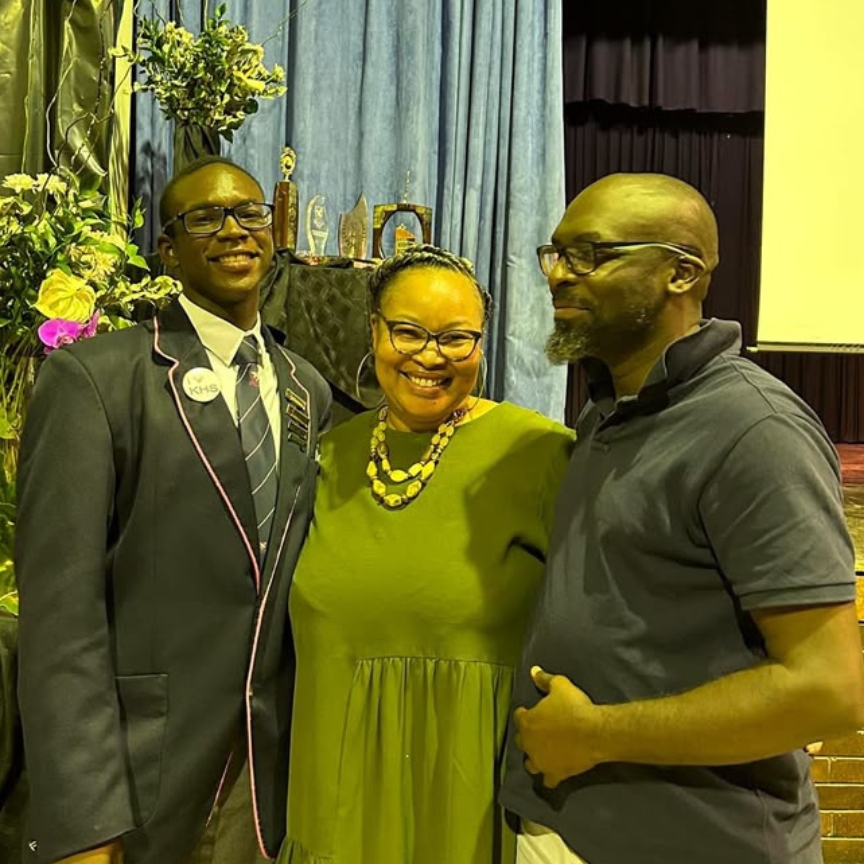
We weren’t rich. My family believed in discipline, education, and hard work above everything else, and my parents were very strict about it. My dad and stepmom would tell me, growing up: you’re a foreigner, not South African, and you’ll never be treated the same 鈥� don’t forget that. I heard it, but it didn’t really register. I was a kid making real friendships. I felt like I belonged.
My parents鈥� warning never really hit home until I turned 18.
I watched my friends get their IDs, get their driver鈥檚 license, open bank accounts, you know? typical adult stuff. I’d ask my dad when I could do the same, and he’d just say, “It’s coming, it’s coming.” I didn’t know yet that there was anything actually wrong with my papers.
In high school, I was deputy head boy and a top 20 student. In my final year exams, I got four distinctions, including 90s in maths and physics. My marks put me in the top per cent of high school graduates in the country.
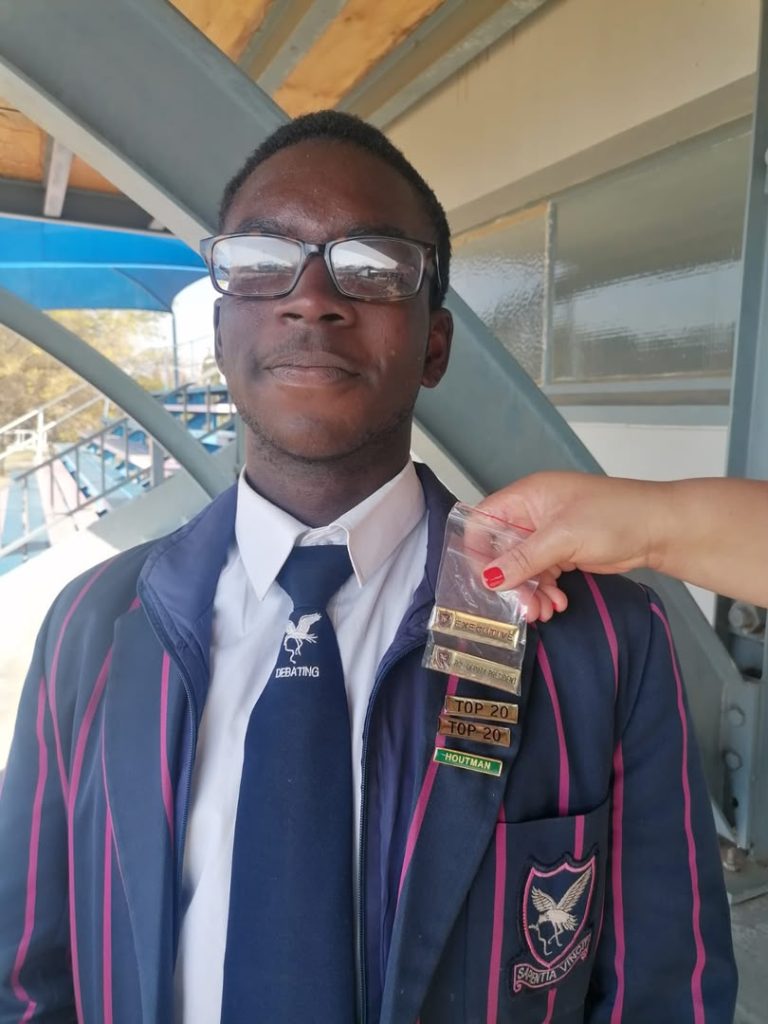
On the strength of that, I got into Wits University to study chemical engineering and completely fell in love with the degree, but when I applied for a study permit, Home Affairs rejected my application. That’s when I found out I didn’t have proper papers, and that’s why other things were much more complicated for me.
The Big Daily is your weekday shortcut to the biggest news shaping Nigeria. We cut through the noise, connect the dots, and explain why the news actually matters, all in one quick read.
I want to be clear about this part. I didn’t sneak into South Africa. I came in as a child on my father’s documentation through the legal process. The problem wasn’t that I broke a rule, it’s that a category of people like me, who entered legally as minors and aged into adulthood within a broken system, don’t have a clean path to formalise their status. There are people in South Africa who came in illegally, who aren’t supposed to be there. I’m not talking about them, I’m talking about the ones who did it the right way and still got stuck.
When Wits saw that I’d hired an immigration lawyer and was actively pursuing my papers, they gave me a conditional registration for the second year in 2025, meaning I could continue on the understanding that I’d have my status sorted out by year’s end. We appealed by email, over and over, no response.
In December 2025, my mom and I drove to the Home Affairs head office in Pretoria with every document printed out, because we weren’t even sure our emails were being received. Nobody came down to meet us. Someone upstairs called the reception desk and told us to leave, saying that appeals could only be done by email. When we asked if they’d gotten our previous ones, they didn’t even check.
By early 2026, Wits told me I couldn’t register for third year, and that was it. I’d worked as hard as a student possibly could, and none of it mattered.
I am hurt, but it wasn’t South Africans who did this to me. My friends never once treated me differently once they learned my situation; if anything, we got closer. A lot of them started emailing Home Affairs on my behalf, trying to get someone, anyone, to look at my case.
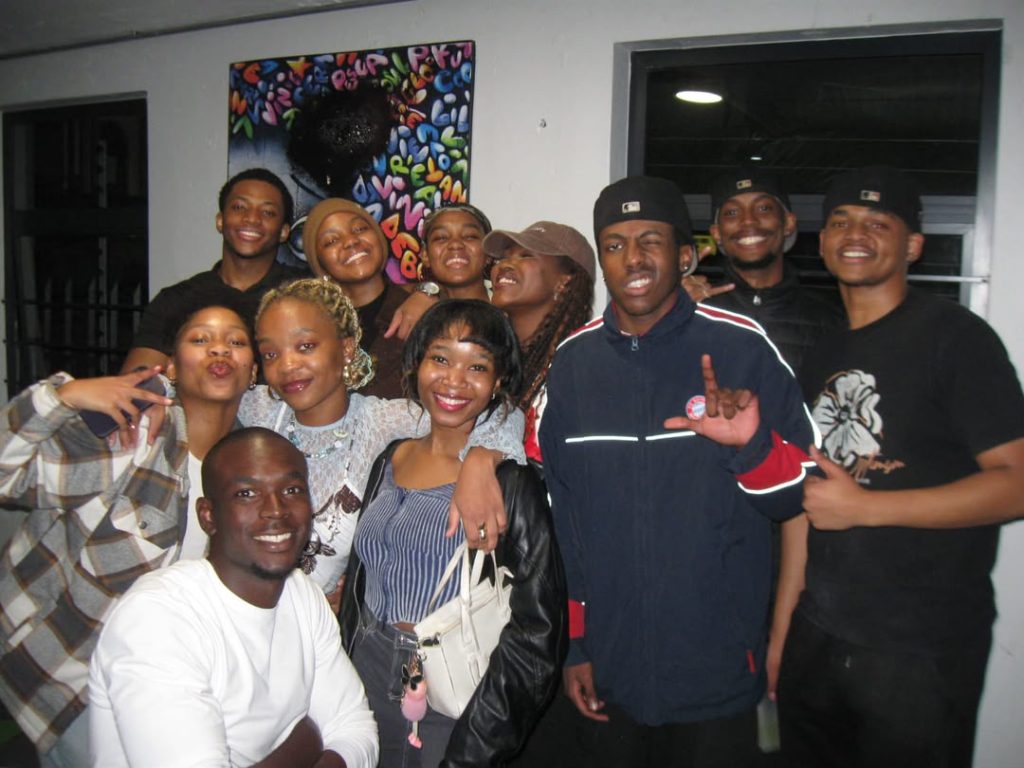
My daily life barely changed. The only real hostility I ever ran into was from the odd Uber driver going on a rant about immigrants “stealing jobs.” I just sat in the front seat, trying not to say anything that would give me away.
The people frustrating my life were government workers, not neighbours. To me, it鈥檚 systematic xenophobia, because the system treats you as a permanent outsider, no matter how legal your papers are, how long you’ve lived there, or how much you’ve contributed. It鈥檚 heavier than the physical xenophobia everyone sees on the news. It鈥檚 slow and invisible, so it doesn鈥檛 get as much attention as the second kind. Why would it? There鈥檚 no camera to capture it.
I’ve given it a lot of thought, and I鈥檓 convinced the systematic failure in South Africa is behind the protests we see. Its invisible nature is why foreigners are attacked: most people can’t picture the government as the villain, so they blame the foreigner, who they can see.
It doesn’t help that foreigners often take the odd jobs South Africans won’t 鈥� the barbering, the gardening, the roadside plumbing 鈥� for a fraction of what a South African would demand for the same work. That gets read as “stealing” when it’s really just people doing work nobody else wanted to do at a price nobody else would accept.
My dad lived this too. He’s an IT specialist who trained South Africans in townships for years, helping people become qualified enough to leave poverty behind. But because he was a foreigner, clients would refuse to pay him for finished work, knowing he had no real recourse. Several of his businesses went under because of it. He has permanent residence.
My dad is married to a South African, and he still couldn’t get his son’s papers sorted. In January 2026, he moved back to Nigeria to try to start over.
Something broke in me when I couldn’t register for my course for the third year of university. I had lived as close to a model life as a student could 鈥� head boy, top marks, no trouble 鈥� and it still came down to one fact: I was a foreigner, and the country I’d grown up in didn’t want me. I’ve put it this way before: the country raised me, then proceeded to abandon me once I was old enough for it to matter.
With school frozen, I spent most of 2026 at home, coding online because there was nothing else to do. When Nigeria opened its repatriation program, I signed up almost immediately. I was terrified, but I knew that if I didn’t do it, things could get worse for me.
The repatriation process itself took four days just for screening 鈥� passport vetting, police clearance, biometrics, and a final Home Affairs sign-off, at their Pretoria office. I went in expecting a single day and ended up sleeping at friends’ places for most of a week, because I hadn’t packed for a stay.
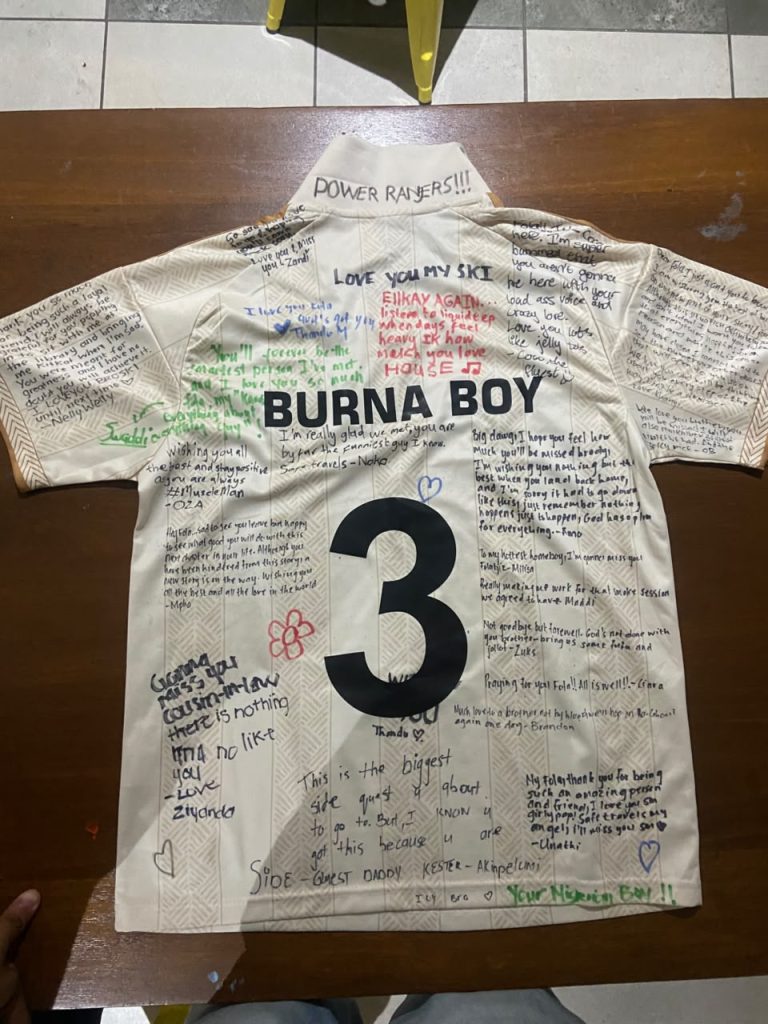
During the wait before my flight, my university friends threw me a surprise goodbye party. We had a big, beautiful braai and spent time together. Towards the end of the party, they brought out a gift鈥� a South African soccer shirt signed by all my university friends. I felt so loved that I found myself crying on the floor, and in a heartbeat, all my friends joined me there, hugging and crying with me. This gesture had to be the best thing that has ever happened to me. I love my friends so much.
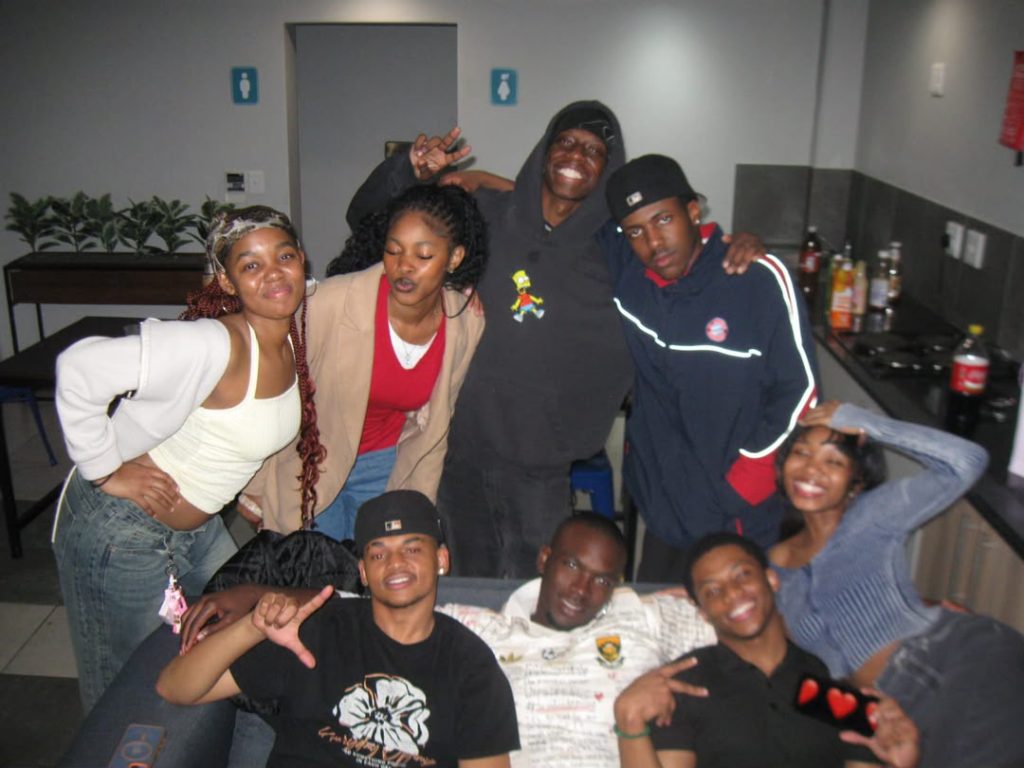
On Wednesday, July 1, the embassy called: my flight was the next morning, and I needed to be there by 10 am. As an overthinker, I’d already been packing in my head for months, but I still had less than 24 hours to compress an entire life into three bags. Friends came by to say goodbye, and sadly, I didn’t get the chance to see my best friend before I left 鈥� there just wasn’t time.
We got to the embassy at 10 am and didn’t leave until 7 pm. Five buses took us to O.R. Tambo airport. We didn’t board until 4 am and took off at 5. Because my visa had technically lapsed while I was waiting for Home Affairs to process my permit, my exit was recorded as an overstay, which resulted in a five-year ban. I can’t legally return to South Africa until 2031.
By the time the plane actually left the ground, I was feeling a lot of emotions, from fear to disappointment and, at some point, anger. I had been feeling this way since January, when I first accepted my fate, but there was relief mixed in, too: I was finally going somewhere I wouldn’t be treated as less just for being Nigerian.
We landed in the cargo area of the airport in Lagos, and it was so hot, it hit me like a wall.
What I wasn’t ready for was how well-organised the reception was. MTN was waiting with SIM cards, 100 gigabytes of data, and 鈧�50,000 in airtime for every returnee, so we could reach our families immediately.
Within two hours of landing, they’d registered us for our National Identification Numbers (NIN). There’s something almost funny about that: I spent years failing to get legal recognition in South Africa, and I got documented as a Nigerian citizen within two hours of touching down.
My dad picked me up, and so far I’ve been living at my uncle’s place in Lagos. The culture shock is real; Nigerians are loud in a way that has nothing to do with anger. I’m naturally soft-spoken, and people keep telling me to “talk properly,” when really I’m just not used to how loud normal conversation is here. I can follow Pidgin but can’t speak it, and I never learned Yoruba 鈥� I asked my dad to teach me when I was 15, and he brushed it off, saying I’d pick it up in church.
Strangely, my body feels more at home here than it ever did in Johannesburg. I used to get sick constantly in South Africa. Here, despite the heat, something about it feels right, like my body already knows the place.
I haven’t seen a naira of the stipend I’ve been promised yet 鈥� I still need to open a bank account and link my number to my NIN before that can happen. My stepmom and little sister, who are both South African, are still there. I don’t know when I’ll see them again. Maybe December, if the money works out. Maybe not.
I’ve already secured my transcript from Wits, so I have what I need to transfer. The University of Ilorin is one of the few public universities that accept international transfers, and that鈥檚 my target.
I’m going to finish my chemical engineering degree, then do a master’s in power engineering and petroleum, because I want to work on electricity generation and infrastructure on this continent.
What breaks my heart most isn’t the xenophobia on its own 鈥� it’s that it’s Africans doing this to other Africans. I don’t think that’s really xenophobia so much as Afrophobia. We’re sitting on the continent with the most untapped potential on earth, and instead of building it together, we’re chasing each other out.
I want to work for the African Union one day, on a policy that stops this exact thing from happening to the next person. South Africa raised me and then closed the door. I’m going to build what’s next right here, in the country that’s actually mine.
to see what people are saying about this post on Instagram
罢丑别听聽is returning on August 22, 2026, in Lagos! Come learn from finance experts and industry leaders, and partake in unfiltered conversations about building wealth and diversifying your income stream in a country like Nigeria.聽Real stories, expert advice you can actually use, and a community ready to build wealth together.聽.