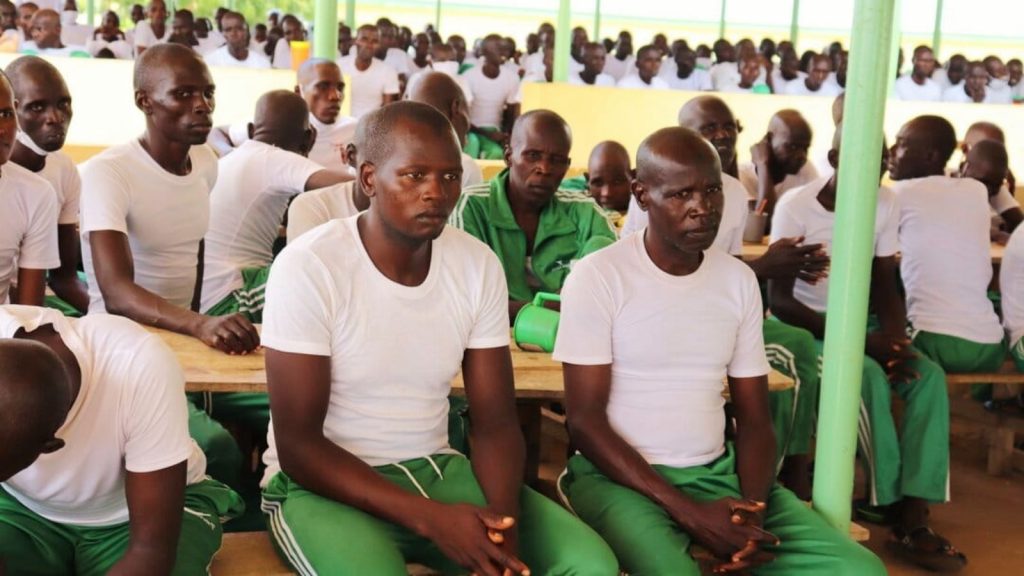
On Friday, 12 June 2026, the Borno State government . The very next day, Saturday, 13 June, .
This sequence of events captures a strange paradox Nigerians have had to live with for several years now: watching the government pardon terrorists while communities continue to be ravaged by the violence they cause.
It raises some big questions: Is this plan to reform terrorists actually working? Can these killers ever truly change? Is it tone-deaf for the government to be hosting rehabilitation ceremonies for terrorists while the victims’ villages are still on fire?
Forgive and forget
This idea of forgiving and reforming terrorists isn鈥檛 new in Nigeria. Since 2016, the government has been running 鈥攁 programme meant to get insurgents to lay down their weapons and rejoin society. And from the start, many Nigerians have been strongly against it.
But the government鈥檚 logic is pretty simple: if you promise these fighters safety, training, and a fresh start, they might just surrender. Basically, it鈥檚 a victory without having to fire a single bullet.
are being used by several countries worldwide to tackle terrorism, with varying degrees of success.
Take Saudi Arabia, for instance. Facing from Al-Qaeda in the early 2000s, the Kingdom targeting extremists. combines psychological counselling with religious re-education by moderate clerics to completely dismantle their radical ideology. It is as one of the most successful deradicalisation programmes globally.
Somalia also has a deradicalisation programme for former members of the Al-Shabaab extremist group that has . The Defector Rehabilitation Programme (DRP) has had , including trying to identify defectors and mark them for vengeful attacks.
But how has Nigeria鈥檚 attempt turned out so far?
Keeping your enemies close
Back in the 2010s, former Niger Delta militants oil bunkering facilities. They knew the area perfectly, so their insider secrets were a game-changer for the military. Today, something similar is happening in Northern Nigeria. Former terrorists , helping troops avoid hidden bombs, locating enemy camps, and identifying top terrorist commanders.
Sometimes this backfires spectacularly. In October 2024, Premium Times reported that a group of former terrorists who had been given rifles and motorcycles to help the military to return to terrorist activities.
Borno State Governor Babagana Zulum also that many former terrorists who passed through Operation Safe Corridor returned to terrorism after using their time in the programme to spy on security agencies and communities.
But even when former terrorists stay and are reintegrated into these communities, it is not the happy ending the government envisions.
The new neighbours killed your family
Imagine surviving a literal nightmare, only for the government to tell you that the person who burnt your village or killed your relatives is now your next-door neighbour. Are you just supposed to smile and move on because the government said so?
Well, many people are understandably unable to accept former terrorists with open arms. It鈥檚 not just insensitive; it鈥檚 deeply traumatising for these communities. , Maiduguri resident Dogara Wim Bitrus captured the mood perfectly, noting that it is “almost impossible for society to accept them, because society will never see them the way the government wants them to be seen.”
Also, Borno鈥檚 governor, Zulum, said: 鈥淭he host communities where the reintegration process is going on usually resent the presence of Boko Haram terrorists, even if they have been deradicalised, because of the despicable and atrocious activities they have committed in the past.鈥�
You cannot blame host communities for refusing to welcome them, especially given how flimsy the government鈥檚 deradicalisation efforts are. Insurgents 鈥攏o courts, no convictions, no justice. Instead, they undergo a lasting just a few weeks, before swearing on the Quran that they will never terrorise again.
It is ridiculous and a slap in the face of the people whose lives have been ruined by extremist violence. Whatever good intentions the government had with this programme are completely going down the drain because of terrible execution.
A rehabilitation plan must put the victims’ healing first. Anything else is just creating a powder keg that is bound to explode.
Who do you care about?
Nothing tells you what a government really cares about like a budget. And following the money shows us who the government appears to consider more important.
The Borno State government says its rehabilitation programme has absorbed around 鈥攊苍肠濒耻诲颈苍驳 and their families. At the same time, the state is home to who were run out of their homes by these same people.
The government鈥檚 , when examined, don’t seem to match up. In 2025, the Borno government spent 鈧�7 billion on rehabilitating terrorists. That was the state鈥檚 . It spent the same amount on the 鈥攖he body responsible for feeding and housing the millions of victims of this violence.
The disparity shows up in very real ways on the ground. Repentant terrorists receive stipends from the government and have . Meanwhile, their victims, now living in the IDP camps, are meant for animal feed.
If the aim is to heal these communities, the government is failing woefully. Right now, the budget is painting a deeply wicked picture: it looks like it pays more to have been a terrorist than to have been their victim. That鈥檚 not how you foster reconciliation and peace. Instead of closing old wounds, this spending disparity creates new scars.
If you ask the average Nigerian where they would rather their tax money go, between victims of terrorism or the terrorists, the answer feels very obvious. But it seems the government thinks differently.
罢丑别听聽is returning on August 22, 2026, in Lagos! Come learn from finance experts and industry leaders, and partake in unfiltered conversations about building wealth and diversifying your income stream in a country like Nigeria.聽Real stories, expert advice you can actually use, and a community ready to build wealth together.聽.
Is it worth it?
The government loves to to make it look like they are winning the war on terror through this soft touch approach. They proudly announce that hundreds of thousands have surrendered, but if you look closer, the math appears strange.
Borno State claims to have accepted 350,000 people into its rehabilitation programme. But only nine thousand are fighters. The rest are their wives and children.
In December 2024, the Minister of Defence, Christopher Musa, reported that Safe Corridor had . But of that number, 62,000 were children, and 36,000 were women. The headline numbers only appear large because the government includes the families of the terrorists.
But let鈥檚 think about the facts for a second: ten years, billions of naira spent, and only a few thousand actual fighters have put down their weapons. When we consider the costs, both monetary and otherwise:
- Security: Terrorists using the programme to spy on security forces and communities, and get access to military equipment before escaping.
- For the communities: The deep trauma of being forced to live with the people who slaughtered their families and shattered their lives.
- For the victims: Starvation and neglect while their oppressors get double rations for having multiple wives.
A non-kinetic approach to ending violence has its benefits, but when we put them next to these costs, it raises a stark question: Is it worth it?
Rehabilitating the rehabilitation programmes
Whatever the answer is, one truth remains: the government is jumping the gun. You cannot be reintegrating terrorists while attacks are still a daily occurrence. It鈥檚 like trying to stitch up a wound while the knife is actively cutting through flesh. Maybe stop the cutting and stem the bleeding first.
Regardless of the academic pros and cons of rehabilitation, these celebratory ceremonies feel like a slap in the face while the horrors of terrorist violence are actively trending on our timelines. It is profoundly tone-deaf.
The government has its reasons for pursuing rehabilitation as an anti-terrorism tactic. But Nigerians also have valid reasons to feel aggrieved and suspicious. The situation has not been helped by the government鈥檚 mishandling of the programmes so far.
The government owes Nigerians proper processes, transparency on what deradicalisation actually entails, accountability, and responsible spending that does not appear to put perpetrators ahead of their victims. If the government can get their act together and do things properly for once, Nigerians might be able to better tolerate the rehabilitation policy.
We want to hear about your personal experiences that reflect how politics or public systems affect daily life in Nigeria. Share your story with us 鈥攚e鈥檇 love to hear from you!