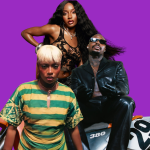
When Rema put out his sophomore album HEIS in 2024, the internet reached for a label almost immediately. Some called it Mara, some filed it under EDM, and some claimed it was the comeback of the Pangolo or hyper-fast street music of the Terry G era. It鈥檚 none of those. He鈥檚 an Afrofusion artist who dedicated a single project to a different sonic style. But one album is an experiment; it doesn鈥檛 make a new genre, let alone spark a resurgence of a style that was never a formal genre to begin with.
That鈥檚 the pattern running across Nigerian contemporary music right now: a talking drum under a synth line, a chorus that switches into Yor霉b谩 or other local languages before sliding back into English or not at all. These are called texture in music, and they don鈥檛 reclassify a song. A guitar interpolation from the 1970s doesn鈥檛 make a song Highlife. It鈥檚 Highlife because the artists follow the genre鈥檚 specific logic, and this goes for other music genres.
None of this is a knock on modern production. A Dance, Fuji, Juju or Highlife song can run through modern mixing, drum machines and whatever the studio has, but modernity doesn鈥檛 nullify a genre; what does is half-measures that pull the aesthetic without its structure. Commitment is the real test here. An artist can make a modern, current-sounding song and still be, principally, playing by an older genre鈥檚 rules. The Cavemen are a prime example of this, having successfully committed to the modern interpretation of Highlife rather than just borrowing its elements. In contrast, a trending track like is playing a different game: it borrows the elements of the 鈥�80s Boogie and Electronic music (like Chris Okotie and Mike Okri did), but overlays it with modern Yor霉b谩 flavours. Both are great, but only one is building a genre. However, what鈥檚 happening right now, at large, isn鈥檛 that.
So this cluster of nostalgia-driven songs doesn鈥檛 have a real name yet, and it shouldn鈥檛. What鈥檚 happening is closer to sketching the sound than building and completing. Artists are testing ideas from a place of curiosity and nostalgia, not from a settled artistic position. As we saw with Rema鈥檚 HEIS, one album is a brilliant evidence of curiosity, not the birth of a movement. Before this can be called a resurgence or even a new genre, there needs to be consistency: an artist returning to the same well more than once. A handful of one-off experiments running in parallel shouldn鈥檛 get mistaken for a pattern.
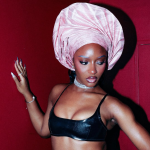
Call it what it actually is for now: Afro and the mix of other genres it fuses. Contemporary artists are using traditional Nigerian sound as a mood board 鈥� borrowing a synth here, or a Yor霉b谩 folk chant there, much like Solana does on 鈥淥KUNKUN.鈥� That鈥檚 allowed. A working title only needs to change once a dedicated subculture forms around a sound. The audience has to identify with it completely, not just to enjoy it as a temporary flavour inside a broader genre. Cruel Santino achieved a version of this with his experimental, industrial-Alt茅 Subaru Boys: FINAL HEAVEN album. He built a universe of Punk and video game soundscapes that his audience aggressively identifies with. That鈥檚 what creating a subculture actually requires. But for the broader industry right now, that鈥檚 a level of dedication that鈥檚 yet to happen, and it begs another discourse that even goes beyond just music.
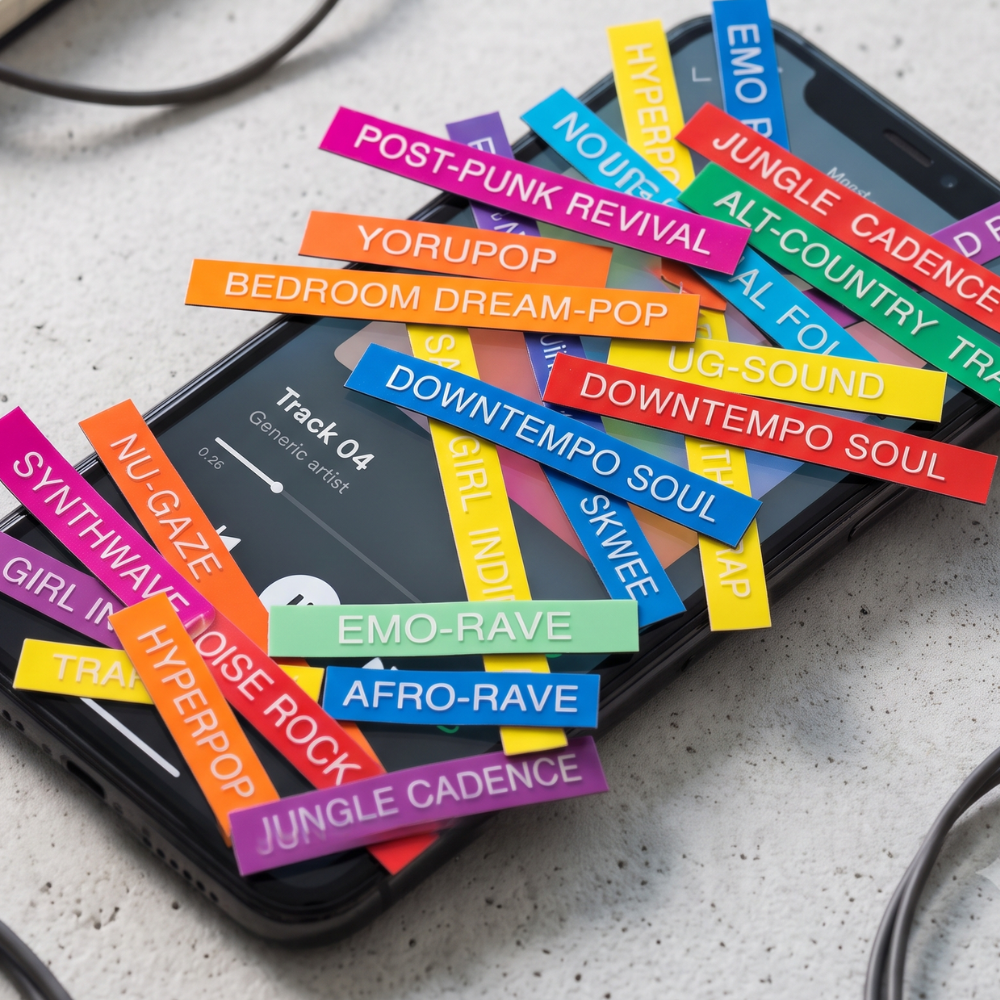
Why are creators and consumers obsessed with labelling everything in the first place?
For a logical reason: cultural exchange. A label functions like a shipping tag. It鈥檚 easier to move something across borders and languages when it travels with a name attached. 鈥淎frobeats鈥� moves in a way that 鈥渁 song from Lagos鈥� never will. A label compresses the whole of a cultural context into something a stranger can grab onto fast, and that matters when the goal is export.
READ NEXT: Why Are Nigerian Pop Albums So Forgettable These Days?
A second explanation brings us to our post-modern reality of things running through the algorithm. Since social media reorganised itself around interest instead of around who you actually know, labels became how creators attach an identity to their work, sometimes on purpose, sometimes without fully clocking that they鈥檙e doing it. Platforms use labels and tags to sort content and decide who gets shown what.
Ifoghale Wilson, a designer and visual artist, digs deeper: 鈥淐ulture is really fragmented, so creators can鈥檛 lean on the old faithfuls. They have to stimulate little corners of the internet best they can. And labels work in that regard, especially when there are loads of listeners who identify with that label for some reason.鈥� By claiming these isolated corners, the label becomes a dividing line. It signals who鈥檚 part of the subculture and who isn鈥檛.
As music journalist and culture curator Ayomide 鈥淎OT2鈥� Tayo points out, this is how labels create a sense of exclusivity. But given the current structure of Nigerian music, that exclusivity is usually just a sugar rush; sweet for a moment, but quick to fade. AOT2 adds, 鈥渢he ones that last are propagated by a culture, not an individual.鈥� Exclusivity on its own doesn鈥檛 build anything that lasts, nor does it produce a renaissance. What exclusivity builds is cults. Look at Cruel Santino鈥檚 Subaru Boys: FINAL HEAVEN 鈥� his extreme commitment to a nich茅, hyper-specific sound built a fiercely loyal cult following, but it remained intentionally an exclusive space. It鈥檚 a great achievement, but not a widespread cultural movement. Inclusivity is where culture-building is: through a sound becoming porous enough that more people can step into it without needing to be the 1%.
At the core of this trend lies the audience, and exactly why there鈥檚 such a sudden appetite for this blend of modern and traditional sounds right now.
Part of the answer, according to writer and culture consultant The Jide Taiwo, is about the country itself. He says, 鈥淣igeria, at its core, is a blend of many things, languages and histories that don鈥檛 always agree with each other but somehow share one element. In a postmodern era, things bleed into each other far more easily than they did thirty years ago. The line between old and new, traditional and contemporary, blurs more easily now, and that blurring shows up in the music because it shows up in everything else the culture touches.鈥�
Audiences, often without realising it, are drawn to a blend of something familiar from a past era, plus wherever the culture currently stands. Using 鈥淥KUNKUN鈥� again as an example. The audience is doing more than just responding to its good, catchy hook; it鈥檚 relishing a trusted popular music structure that鈥檚 wrapped around a cultural moment.
Put all the aforementioned factors side by side, and a single element starts to show through all of them. The genre resurgence question stays unresolved because it sits entirely downstream of two other larger forces: algorithmic fragmentation and the audience鈥檚 appetite for nostalgia. Labels are reached for because an algorithm-run culture needs a flag planted fast, and a listener needs a name to identify with faster than an artist needs to build a genre鈥檚 identity. Whether we like it or not, the audience鈥檚 appetite, not a commitment to older genres, is what most artists are actually responding to when they mix the old with the new. It鈥檚 capitalisation on what the audience wants, not a stylistic pledge.
Which is also why stylistics, not language, are what actually build a genre. Singing a hook in Yor霉b谩 doesn’t make a Yor霉b谩 genre song. Most of the new-age songs trying to recreate a classic sound or mimic a traditional genre鈥檚 style rarely leave anything behind. They come, generate a burst of excitement among younger listeners, earn a nod of recognition from older ones, make some noise and slowly disappear. This isn鈥檛 because the artists lack talent, but rather because these songs are built to feed that same nostalgia-driven appetite described above instead of being rooted in genuine genre commitment.
There鈥檚 a mimetic element in all of this worth naming plainly. Music, first and foremost, is expression. Genre is our rudimentary way of sorting that expression into something we can talk about and file next to other things. Across artificial intelligence, memes and mimetic language generally, the pattern for what sticks stays consistent: a single idea compressed into something that travels easily, that a person can grab in a short time without losing the point.
Virality runs on giving people something new wrapped around something familiar, which is why old-school cool keeps resonating no matter how many production cycles pass. What happens if this appetite eventually goes deeper, past novelty into real commitment, is hard to say. Maybe it grows into something sustained, or it stays exactly what it is right now, just a moment. Nobody knows yet, and any certainty here is mere guessing.
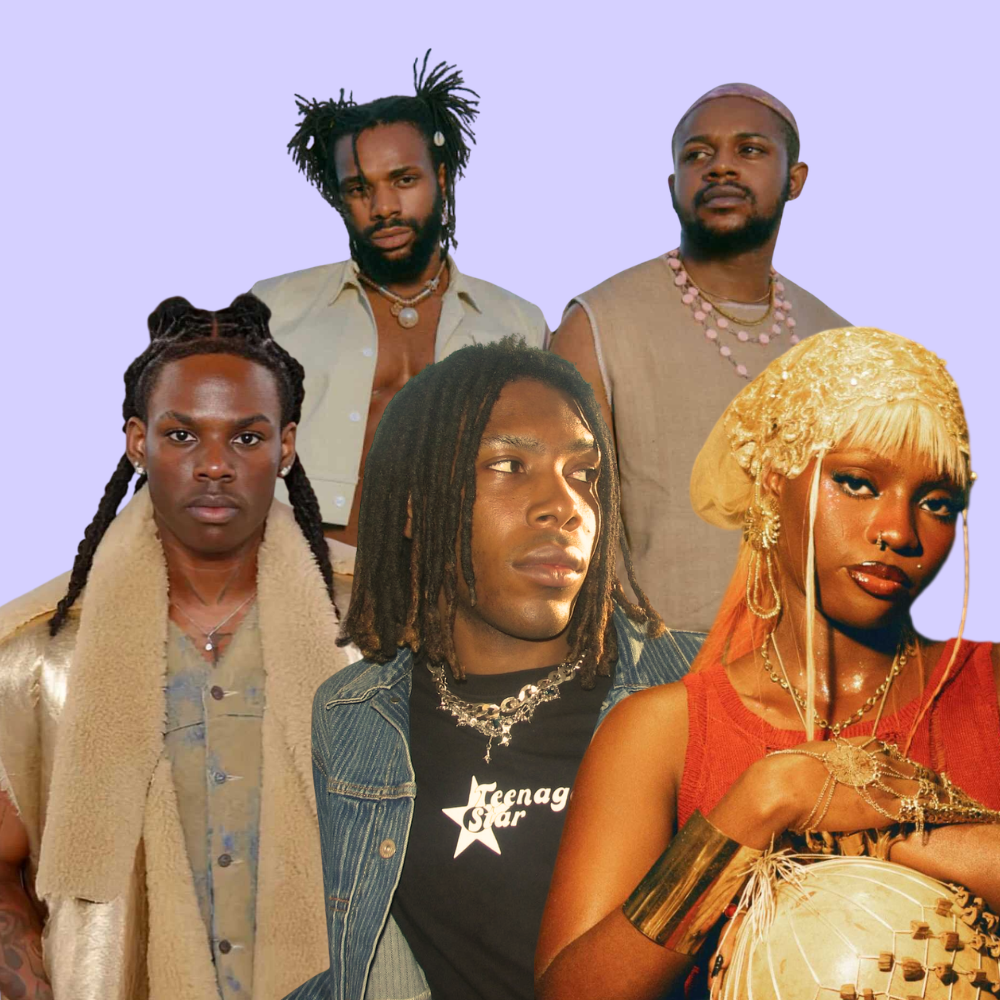
The genre question should be about attention instead, because attention right now runs on nostalgia. And it isn鈥檛 even remotely unique to music. It shows up anywhere people try to guess what鈥檚 coming next in fashion, film or other art forms. People are constantly negotiating their relationship with the past, engaging with one era and disengaging from another, over and over. It鈥檚 the same cycle of human consumption as it鈥檚 always been. The internet/algorithm just made it faster.
So the next time an artist like Rema or Solana drops an experiment, we don鈥檛 need to invent a new genre to understand it. We just need to pay attention.