When Rasheedat鈥檚 daughter, Faizat, was diagnosed with autism at 11, she thought finally having answers would make the journey easier. Instead, just as she began learning how to support her child, she lost her husband. In this story, she shares what it鈥檚 been like raising an autistic daughter alone for over two decades, the discrimination they鈥檝e faced and how that pain eventually became purpose.
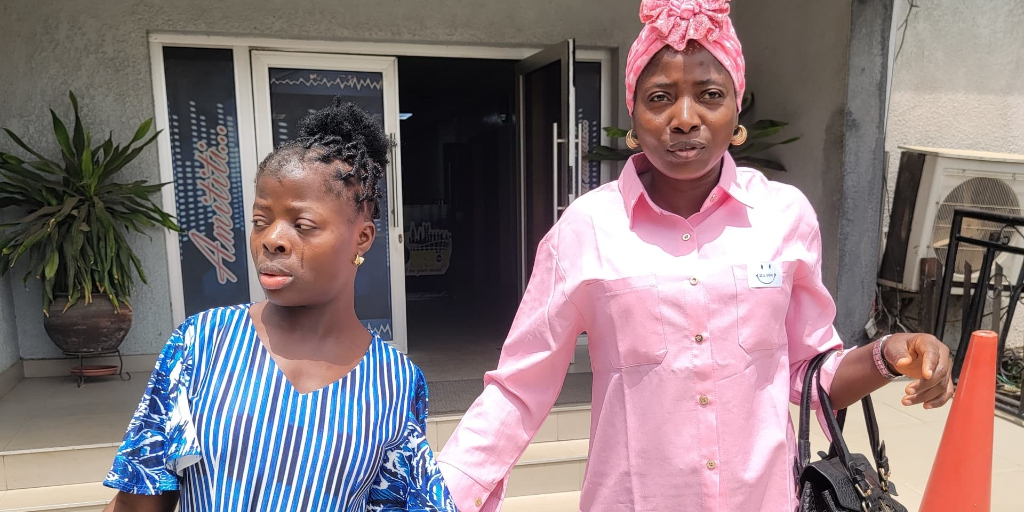
This is Rasheedat鈥檚 story, as told to Adeyinka
I still remember the day we finally got a diagnosis for my daughter.
For years, I knew something was different about Faizat, but I couldn鈥檛 explain what. She never crawled as a baby. She didn鈥檛 start walking until after she turned three, and she hardly spoke. She cried a lot, often over things I couldn鈥檛 understand. As her mother, it broke my heart because all I wanted was to comfort her, but I never knew what she was trying to tell me.
At the time, I鈥檇 never even heard the word 鈥渁utism.鈥�
Like many parents, I believed she was simply developing late and would eventually catch up. We weren鈥檛 aware of any history of autism in our family, so it never crossed my mind that this could be something different.
Instead of seeking medical help immediately, we tried everything we knew.
We visited spiritual homes because people believed she needed prayers. We gave her different herbal concoctions because everyone seemed to know someone with a remedy. We weren鈥檛 trying to avoid medical care. We simply didn鈥檛 know what autism was, and we were desperate to help our daughter.
It was our neighbours who eventually suggested taking her to a psychiatric hospital. Back then, that idea terrified us. We believed psychiatric hospitals were only for people with severe mental illness. My husband rejected it immediately. He said, 鈥淢y daughter is not mad.鈥�
Looking back now, I understand why he reacted that way. It came from fear and ignorance, not from a lack of love for his daughter. Eventually, we agreed to go.
Faizat was diagnosed with autism when she was 11 years old. Hearing those words brought both relief and heartbreak. For the first time in years, I finally understood why my daughter had struggled the way she did. I realised her behaviours weren鈥檛 because she was stubborn or because I had failed as a mother.
But at the same time, my mind immediately jumped to the future. Would she ever speak fluently? Would she make friends? Go to school? Live independently? Would society accept her?
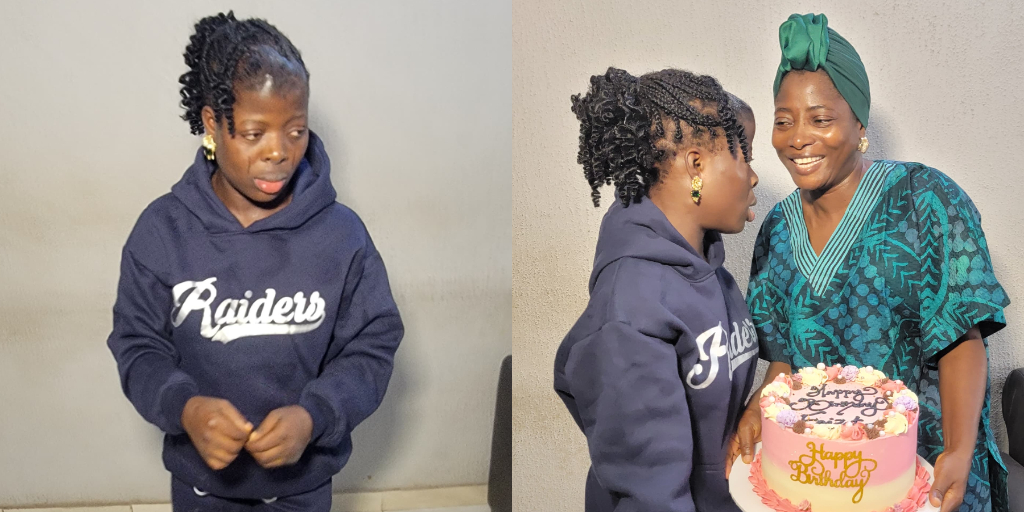
The doctors prescribed medication to help with her aggression and tantrums. They also explained that therapy would be an important part of helping her communicate and become more independent. Then life happened again.
Not long after Faizat鈥檚 diagnosis, my husband died. Almost overnight, I became a widow raising three children, including a daughter who needed more support than I could afford to give. I was grieving my husband while trying to understand autism at the same time. The medications, therapy sessions and specialist care the doctors recommended were expensive, and I simply didn鈥檛 have the money. Those were some of the loneliest years of my life.
Even so, giving up was never an option. As the years passed, I learned that one of the hardest parts of raising an autistic child wasn鈥檛 only autism itself. It was how people treated us.
One day, Faizat and I boarded a public bus. She made one of her loud vocal sounds and some passengers became uncomfortable. They complained until the conductor stopped the bus and asked both of us to get down. I can鈥檛 fully describe how humiliating that felt.
On another occasion, I booked an Uber. The driver arrived, looked at us, refused to unlock the doors and drove away without saying a word. Those moments stay with you. You aren鈥檛 just caring for your child. You鈥檙e constantly explaining, defending and proving that your child deserves to exist in the same spaces as everyone else.
Housing also became difficult. Because I couldn鈥檛 always afford the therapy and medication she needed, Faizat sometimes had intense meltdowns. Neighbours complained, landlords became uncomfortable, and we had to move from one house to another. People assumed she was possessed or cursed. Some believed I was being punished. Others thought I was simply a bad parent.
Over time, I realised most of those reactions came from ignorance rather than cruelty. But ignorance can still be incredibly painful. They see a child having a meltdown in public, but they don鈥檛 see the sleepless nights beforehand. They don鈥檛 see the constant supervision, the exhaustion or the fear that never really goes away.
Even after 26 years, I still worry about Faizat鈥檚 future. I think about her health, her safety and one question that never leaves my mind: who will care for her when I鈥檓 no longer here? At the same time, raising her has completely changed the way I understand love.
Before Faizat, I thought love was simply caring for someone. She taught me that love is showing up every day, even when you鈥檙e tired, discouraged or uncertain about tomorrow.
She also changed the way I think about communication. For many years, she couldn鈥檛 speak fluently, and I spent so much time wishing she would tell me what she was thinking. Then one day, I realised she had been communicating with me all along.
She communicated through her facial expressions, gestures, routines, and the way she responded to different situations. I鈥檇 been so focused on what she couldn鈥檛 say that I almost missed everything she was already telling me.
That lesson changed not only how I saw autism, but how I saw people. Being non-verbal doesn鈥檛 mean having nothing to say.
For a long time, I kept our journey private because I was simply trying to survive each day. But as I met more parents raising autistic children, I realised so many of us were carrying the same burdens in silence. That鈥檚 why I started sharing our story.
I wanted other parents to know they weren鈥檛 alone. I wanted families to recognise the signs earlier than I did and seek professional help without fear or shame, and the response has been overwhelming.
Parents have reached out to tell me they finally sought an assessment for their own children after watching our videos. Others have said our story gave them hope during their darkest moments. Strangers have donated towards therapy, medications and Faizat鈥檚 care.
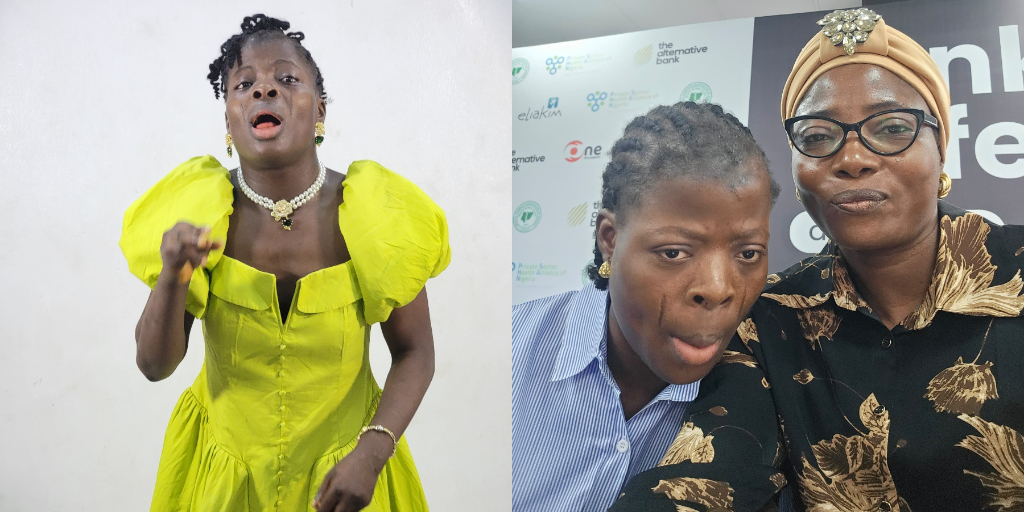
Of course, not everyone has been kind. There have been insensitive comments and people who questioned my parenting. But instead of allowing those moments to discourage me, they鈥檝e strengthened my resolve. Today, I run the Faizat Hope Foundation for Autism and Special Needs because I don鈥檛 want other families to walk this journey alone.
If there鈥檚 one thing I want Nigerians to understand, it鈥檚 that autism isn鈥檛 a curse or the result of bad parenting. Families like mine don鈥檛 need pity. We need understanding, acceptance and support.
Looking back, I would tell my younger self not to waste years searching for a cure. I would tell her to spend that time understanding her daughter instead. I would tell her that although she would lose her husband and carry this responsibility alone, she would also discover a strength she never knew she had.
Most importantly, I would tell her to keep believing in her daughter. Because even though autism changed our lives forever, Faizat also gave my life a purpose I never expected. She didn鈥檛 just make me a mother. She made me an advocate for families who deserve to be seen, heard and accepted.
ALSO READ: Mothers Share the Reality of Raising Children With Disabilities